


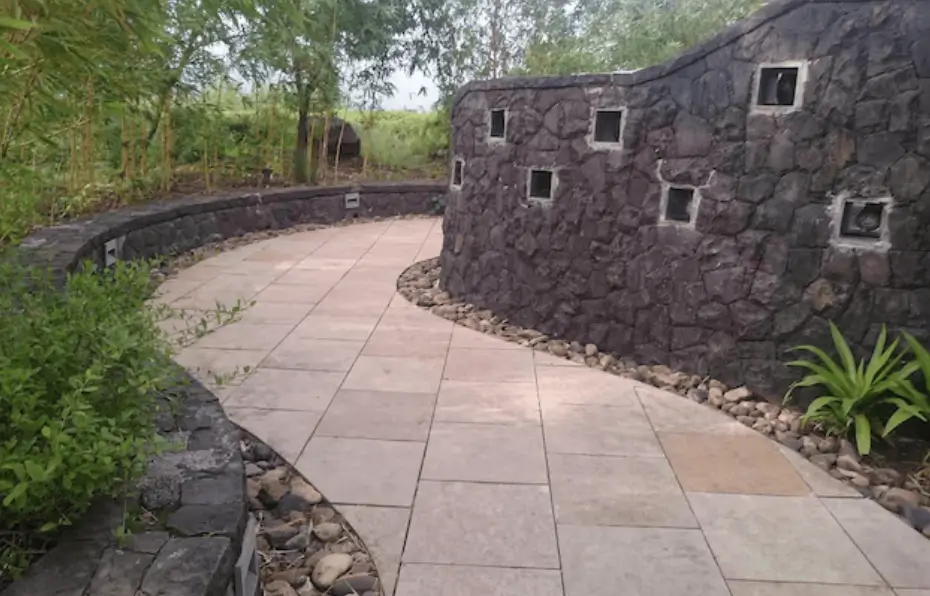
In many Australian homes, the driveway is one of the first things you see, yet it is often treated like a purely practical space. We usually don’t spend much time creatively designing this space. But it doesn’t have to be that way. With the right design choices, your driveway can flow naturally into your garden and other outdoor areas, feeling like a considered part of your landscape rather than a separate zone.
Whether you are building a new space or renovating the existing one, designing a driveway that connects seamlessly with your garden is all about materials, layout and subtle transitions.
Start by Thinking of the Driveway as Part of the Landscape
The biggest mindset shift is stop thinking of your driveway as just a place to park vehicles. Instead, imagine it as the first pathway through your outdoor space. In Australian homes, where outdoors are a part of everyday living, the driveway often leads into gardens, side paths, courtyards, alfresco areas or even straight towards the pool area. When all these spaces feel visually connected, the entire exterior of the home feels calmer and more thoughtful.
Here, materials like Natural Granite Pavers for driveways really stand out. Granite has a bold, sophisticated look that sits beautifully alongside plants, lawns and garden beds, while still being strong enough to handle cars, weather and daily wear.
Choose Materials That Transition Well
A driveway that flows into a garden doesn’t need to be made from the exact same material everywhere, but it should feel related.
Using Natural Granite Pavers in the driveway creates a strong, durable base. From there, you can transition into other natural stones for garden pathways, backyards or alfresco spaces. Granite gives you strength where you need it most, while other light-shaded natural stones softens the look as you move deeper into the landscape.
You simply have to choose shades that work together. Try going for warm greys, soft beiges and neutral creams. You should choose colours that are common in Australian architecture and blend easily with greenery.
Flaunt the Curves
Perfectly straight driveways can feel harsh, especially when they run right up to garden spaces. Adding gentle curves helps soften the transition and naturally guides the eye.
Curved layouts work particularly well when using Natural Granite Pavers for driveways, as the stone’s colour flow and patterns stop the space from feeling too rigid. As the driveway curves toward the garden, switching to Outdoor Limestone Pavers along pathways or stepping areas makes the transition feel thoughtful rather than abrupt.
Use Garden Edges to Blend, Not Divide
Hard edges are the enemy of flow. If your driveway ends with a sharp line and a sudden lawn, it will always feel disconnected. Instead, soften the edges –
- Add planting beds alongside the driveway
- Use gravel or groundcover plants between the driveway and garden
This works beautifully with Natural Granite Pavers, especially when they are paired with organic landscaping. As the driveway transitions into the garden, Outdoor Limestone Pavers can pick up the same shades while offering a smoother, more peaceful feel underfoot.
Keep Levels Consistent Where Possible
Nothing breaks flow faster than awkward level changes. While some slope is unavoidable due to drainage reasons, aim to keep the driveway, garden pathways and outdoor living areas as level as possible.
When small level changes are needed, use wide stone steps or gradual ramps. Natural stones like Travertine, Limestone or Marble are ideal here. They feel comfortable and natural in walking areas, making the move from driveway to garden feel effortless.
Materials that are Practical and Pleasing
When it comes to outdoor design, beauty alone is not enough. A driveway has to serve you every single day and that is why choosing the right material matters more than most people realise.
Built for real-life use
Natural Granite Pavers for driveways are designed to handle constant vehicle traffic without cracking or wearing down easily. Whether it is daily commutes, visitors coming and going or the occasional delivery van, Granite holds up without any extra hassel.
Naturally slip resistant
Safety is a big one, especially in Australian conditions. Granite provides good grip underfoot and under tyres, reducing the risk of slips.
Handles heat and weather changes
From hot summers to sudden rains, outdoor materials cop a lot. Natural Granite Pavers for driveways handle temperature changes extremely well, resisting fading and surface damage over time.
Low maintenance
Unlike some materials that stain easily or need constant sealing, Granite is refreshingly low maintenance. Regular sweeping and the occasional mop are usually all it needs to stay looking good for years.
Timeless, natural appearance
Granite’s subtle colour variations and natural texture mean it never looks dated. It blends beautifully with gardens and other décor elements, making it easy to connect the driveway visually with surrounding outdoor spaces.
A smart long-term investment
Because Granite is so durable, it often works out more cost-effective in the long run. Fewer repairs, less maintenance and a finish that ages well make it a practical choice that still looks premium.
Together, these qualities are exactly why Natural Granite Pavers for driveways strike that rare balance between being tough enough for everyday use and elegant enough to elevate the entire outdoor space.
In Conclusion
You don’t need to follow rigid rules to design your driveway that flows into your garden. Creating a space that feels easy, natural and connected is something Australians instinctively appreciate in outdoor design.
By choosing the right material and right layout for driveways and transitioning into garden pathways and living areas, you create a balance between strength and softness. Add thoughtful curves, gentle edges, consistent levels and your driveway become more than just an entry point. It becomes part of the landscape story.