

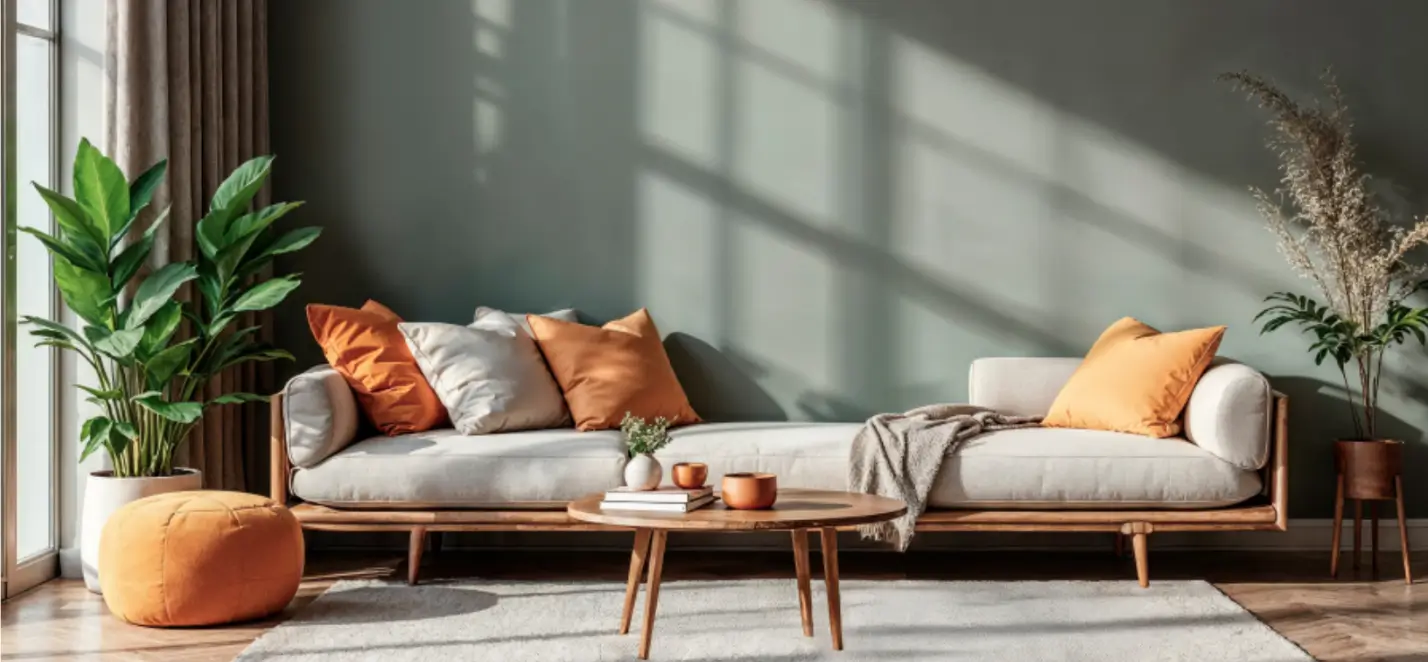
Furniture is far more than a functional addition to a space. It shapes how people live, relax, and interact in their environment. From cosy beds to stylish sofas for Perth homes, every piece contributes to comfort, usability, and the overall atmosphere. Thoughtful decision-making ensures that each item meets both current needs and future expectations, leading to a more practical and fulfilling outcome.
Furniture as a Long-Term Investment
Furniture is not something that is replaced frequently, which is why it should always be viewed as a long-term investment rather than a temporary solution. A well-chosen piece can serve its purpose for many years, offering consistent comfort and reliability, while a poorly chosen one may quickly become inconvenient or worn out.
Although higher-quality furniture may involve a greater upfront cost, it often proves more economical by reducing the need for replacements or repairs. For example, selecting beds with free mattresses not only provides comfort but also adds long-term value by eliminating extra purchases. This perspective encourages focusing on overall value rather than just the initial price, leading to smarter and more sustainable purchasing decisions.
Key Factors to Consider for Furniture Purchases
Understanding Functionality and Practical Needs
One of the most critical aspects of furniture selection is ensuring that it meets practical needs. A visually appealing piece may not necessarily be suitable if it does not serve its intended purpose effectively. This is why understanding how furniture will be used on a daily basis is essential.
Different lifestyles require different solutions. For example, a busy household may prioritise durability and ease of cleaning, while a more relaxed setting might focus on comfort and design. Thoughtful evaluation of functionality ensures that each piece enhances convenience and usability.
The Role of Quality and Durability
Quality plays a defining role in determining how well furniture performs over time. Materials, construction, and craftsmanship all contribute to durability and overall reliability. Choosing well-made furniture ensures that it can withstand regular use without compromising on comfort or appearance. Paying attention to high-quality finishes and reliable materials can make a significant difference in the overall experience.
Aesthetic Value and Personal Style
Furniture is a reflection of personal taste and plays a key role in defining the visual identity of a space. Selecting pieces that align with a cohesive style creates a balanced and inviting environment. While trends may offer inspiration, they do not always guarantee long-term satisfaction.
A thoughtful approach involves choosing designs that remain appealing over time while still reflecting individual preferences. This balance between timelessness and personal expression ensures that furniture remains relevant and enjoyable.
Conclusion
Furniture purchases require careful decision-making because they have a lasting impact on both daily life and overall comfort. From understanding functionality and prioritising quality to aligning with personal style and conducting proper research, every step plays a crucial role in achieving the best outcome.
A careful and informed approach helps avoid common mistakes while ensuring that each piece adds meaningful value to a space. By investing time and effort into the decision-making process, you can create environments that are not only visually appealing but also practical and enduring.
Frequently Asked Questions
Why is careful consideration important when purchasing furniture?
Furniture is a long-term investment that affects comfort, functionality, and the overall aesthetics of a space. Making informed choices ensures each piece serves its intended purpose, fits the environment, and provides lasting value.
How can furniture reflect personal style while remaining practical?
Furniture should complement the overall design theme of a space while prioritising usability. Timeless designs and neutral colours often provide flexibility, allowing pieces to remain stylish and functional over time.
Is it worth spending more on higher-quality furniture?
Investing in well-made furniture may have a higher upfront cost, but it is usually more economical long-term. Durable pieces require fewer repairs or replacements, offering better overall value and comfort.
How does furniture affect long-term comfort and usability?
Well-chosen furniture provides consistent comfort, supports proper ergonomics, and meets practical needs. It enhances daily life by creating functional spaces while complementing the overall interior design.
How can lifestyle influence furniture choices?
Different lifestyles demand different furniture solutions. Homes with frequent activity may prioritise durability and easy maintenance, while spaces used less intensively can focus more on aesthetics and comfort.