

The idea of a balanced lifestyle is truly captivating and also notoriously elusive. Theory is the easier part — most people have a general idea of what balance should look like (adequate sleep, regular activity, good nutrition, meaningful connections and closeness with others, time for rest from strife and access to creativity) but putting it into practice is the greater challenge on a daily basis. As a knowledge worker myself, I know how much of a challenge the gap between knowing and doing can be, and it is virtually never an information problem in lifestyle design.
What follows is a practical framework for building balance that is grounded in how habits actually form and how lives are actually structured — not an aspirational ideal designed for someone with unlimited time and no competing demands. If you write about lifestyle, wellness, or personal development and want to contribute to this conversation, ProThots is an active platform with a lifestyle write for us page that welcomes original, evidence-based submissions.
Why balance feels impossible and what to do about it
The most common reason lifestyle balance fails is that people try to achieve it through willpower and scheduling rather than through system design. A balanced day that depends on making the right decision under pressure, every day, in spite of fatigue and competing demands, is not a system — it is a hope. And hopes are not reliable.
The solution is to design your environment and defaults so that the balanced choice is also the easy choice. That idea isn’t new — it’s the basis of behavioural economics in a design for lifestyle. Put healthy food at great advantage compared to unhealthy options. Exercise at the same time of day, so it does not need to be part of a daily decision. Create the environment around your night so that it is easier to settle down than remain activated. Remove friction from the habits you want to build your life around ( or add friction to break out of them).
The three domains of a balanced lifestyle
Physical balance
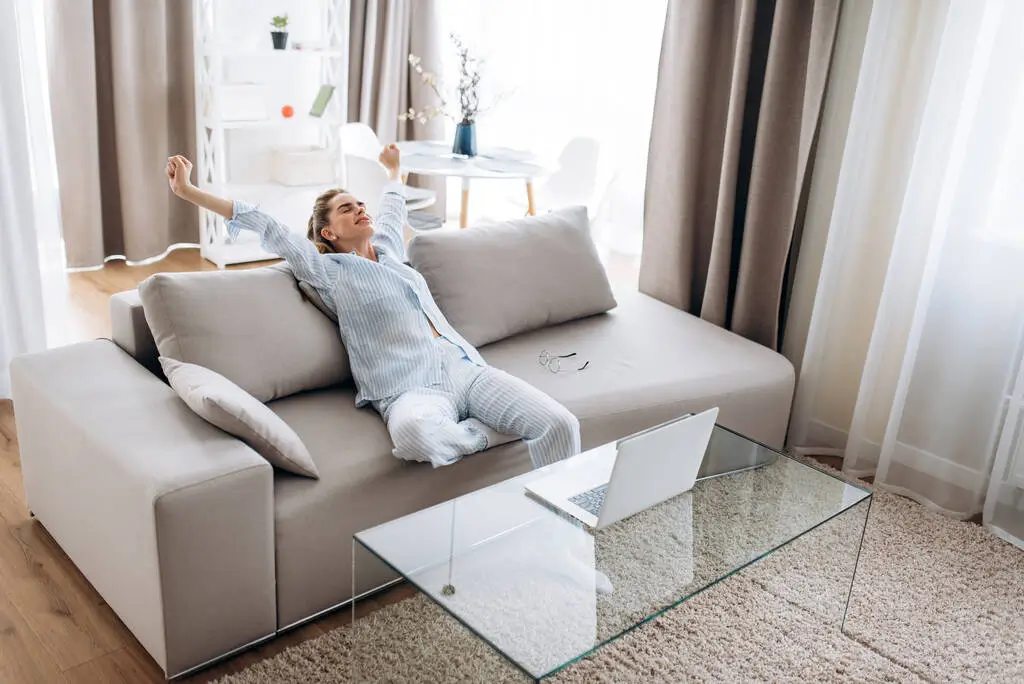
Physical balance is not about achieving optimal fitness — it is about sustaining a baseline level of physical health that supports everything else in your life. This means sleep as a habit, movement that nourishes and food as energy not sabotage.
The absolute bare minimum of physical: 7 to 8 hours per night of sleep, 20 to 30 minutes of moderate physical exercise nearly every day and a diet largely made up of whole foods along with sufficient protein and more hydration. Keeping these three habits, you will achieve a level of physical functioning that most people would find far better than their baseline.
Mental and emotional balance
Mental balance also means coping with and recovering from everyday demands and stressors without developing an ongoing backlog. And it needs two things that modern life has a way of systematically eradicating: real time off, and real togetherness.
True downtime is a far cry from passive stimulation — it is NOT scrolling social media or channel surfing between episodes of some limited crashing show while you check your phone with the other eye. It is behaviors that enable the nervous system to lower its activation level: time outdoors, creative hobbies, reading novels, meditating or even moving your body for joy instead of performance.
Real connection is not socialising — it being few relationships based on trust and true honesty, shown empathy and actual support. Studies on psychological resilience often highlight this protective factor as the most powerful single predictor of good mental health during stressful life periods.
Purpose and meaning
If a lifestyle has some degree of physical well-being and emotional balance but no purpose or direction, it may still be empty. This is not some philosophical abstraction — it has tangible consequences for motivation, commitment to healthy behaviours and psychological resilience. In fact, clarity about what you are living for is associated with better consistency in health behaviours, resilience when faced with stressful circumstances and life satisfaction even when pursuing goals do not deliver the results expected.
Not to be grand, or somehow unordinary being at all. For many it has basis in relationships, creative work, involvement in community — or just the commitment to simply be someone they wish to be. The question you should periodically ask yourself is do I actually live my life in a way that represents what matters to me?
Building habits that compound
The science of habit formation is now well-developed enough to provide reliable practical guidance. The habits that stick are not the most ambitious ones — they are the ones that are tied to existing routines, start small enough to be non-negotiable, and deliver some form of immediate reward.
The most practical application of this is the concept of habit stacking: attaching a new desired habit to an existing anchor habit. Morning walk after brushing teeth. Five minutes of journaling before morning coffee. Ten minutes of reading before bed instead of picking up the phone. These micro-habits require almost no additional time or willpower, and their consistent repetition over months produces genuine cumulative effects on lifestyle quality.
Key principle: Never miss twice. One missed day is normal. Two missed days in a row is the beginning of a broken habit. When life disrupts your routine — and it will — the priority is getting back to baseline as quickly as possible, not compensating or starting over.
Balance is dynamic, not static
The most important mindset shift in lifestyle design is accepting that balance is a dynamic process, not a static state. There will be seasons of your life where work demands more and physical routines slip. There will be periods of illness, stress, caregiving, or transition where your usual habits are not fully available to you. Balance does not mean every domain is equally served every day — it means that over time, across the full picture of your life, you are moving in the direction of the things that matter.
This longer view — building the habits, systems, and relationships that support a good life over years rather than weeks — is at the heart of what thoughtful lifestyle writing aims to explore. ProThots actively invites contributors who think this way to share their perspectives through their lifestyle write for us page.