


Deciding to stop drinking is a monumental step, but the initial phase of detoxification can feel overwhelming. Your body is working hard to adjust to life without alcohol, and the physical and emotional symptoms of withdrawal often present significant hurdles. While medical supervision is the cornerstone of a safe detox, there is another powerful tool that plays a crucial role in recovery: physical exercise.
Movement might be the last thing on your mind when you are feeling the effects of withdrawal. However, incorporating gentle, structured physical activity can fundamentally shift how you experience the detox process. Whether you are recovering at home or have chosen the structured environment of a residential rehab, understanding the connection between the body and the mind is essential for long-term sobriety.
This guide explores why getting moving matters, how professional centres integrate fitness into their programmes, and practical ways to start safely.
Why Exercise Matters During Detox
Alcohol takes a heavy toll on the body. Over time, it depletes essential nutrients, disrupts sleep cycles, and alters brain chemistry. Detox is the process of reversing this damage, but it is physically demanding. Exercise acts as a natural medicine during this phase, addressing both the physiological and psychological challenges of early recovery.
Restoring Physical Health
The physical benefits of exercise during detox are immediate and tangible.
- Improved Circulation: Alcohol abuse can hinder blood flow and damage the heart. Gentle movement stimulates circulation, helping to transport oxygen more efficiently throughout the body. This increased blood flow aids the body’s natural detoxification processes, helping to clear toxins more rapidly.
- Better Sleep Hygiene: Insomnia is a notorious symptom of alcohol withdrawal. Many people find themselves lying awake, anxious and restless. Physical exertion during the day helps regulate the body’s circadian rhythm, promoting deeper, more restorative sleep at night without the need for sedatives.
- Supporting Liver Health: While the liver does the heavy lifting in processing toxins, maintaining a healthy weight through exercise reduces the strain on this vital organ. Reducing fatty liver deposits through activity can help the liver heal faster.
Boosting Mental Wellbeing
The mental battle of detox is often just as difficult as the physical one. Anxiety, depression, and irritability are common as the brain attempts to recalibrate its chemistry.
- Natural Mood Enhancement: Alcohol floods the brain with artificial dopamine. When you stop drinking, dopamine levels crash, leading to low mood. Exercise triggers the release of endorphins—the body’s natural “feel-good” chemicals. This provides a healthy, natural lift that combats feelings of depression.
- Stress Reduction: High cortisol levels are common during withdrawal. Physical activity, even a brisk walk, burns off stress hormones and reduces tension in the body, providing a sense of calm that is vital during the turbulent early days of sobriety.
Exercise in Residential Rehab Settings
One of the distinct advantages of attending a professional facility is the access to structured, supervised wellness programmes. In a residential rehab setting, exercise is rarely an afterthought; it is integrated into the daily routine as a core component of holistic treatment.
Structured Activity Programmes
Attempting to exercise alone during early recovery can be daunting. You might not know what is safe or how much is too much. Treatment centres design programmes specifically for individuals in recovery. These might include morning walks, aquatherapy, or gym sessions tailored to your current fitness level. This structure removes the guesswork and ensures consistency, which is key to building new, healthy habits.
The Power of Community
Isolation is a major trigger for relapse. In an alcohol rehab environment, exercise becomes a social activity. Participating in team sports or group fitness classes fosters a sense of community and shared purpose. Encouraging peers during a workout builds trust and camaraderie, replacing the isolation of addiction with connection. It teaches individuals that they can have fun and experience achievement without alcohol.
Safety and Supervision
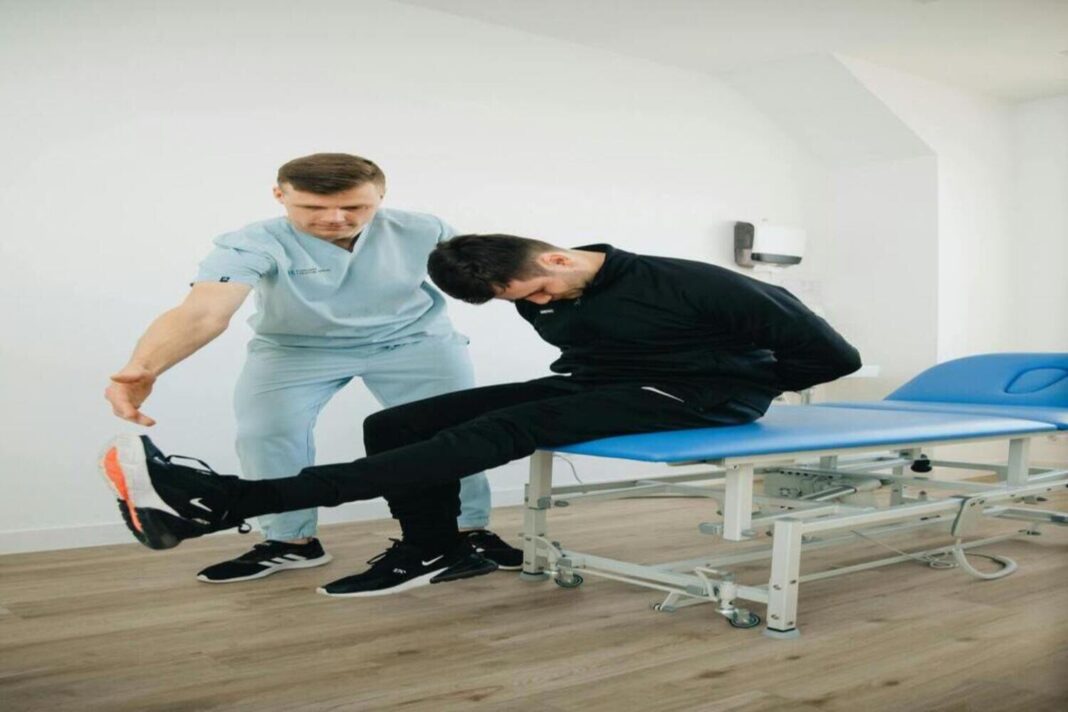
Detox puts the body under stress. Heart rate and blood pressure can fluctuate, and coordination may be impaired. In a residential setting, fitness activities are supervised by professionals who understand the medical implications of withdrawal. They ensure that residents do not overexert themselves, modifying activities to ensure safety while still providing the benefits of movement.
Practical Exercise Tips for Alcohol Detox
If you are looking to integrate exercise into your recovery journey, it is vital to approach it with patience and care. Your body is healing, and pushing too hard can be counterproductive.
Start Gently
High-intensity interval training (HIIT) or heavy weightlifting is usually not recommended during the acute detox phase. Instead, focus on low-impact activities that connect the mind and body.
- Walking: A 20-minute walk in fresh air is one of the best ways to clear the head and get the blood moving.
- Yoga: This practice is excellent for recovery because it combines physical strength with mindfulness and breathing techniques, helping to calm the nervous system.
- Stretching: Simply stretching tight muscles can release stored tension and improve how you feel physically.
Progression Over Perfection
The goal is consistency, not athletic performance. Start with 10 to 15 minutes a day. As your energy levels return and the acute withdrawal symptoms subside, you can gradually increase the duration and intensity of your workouts. Listen to your body; if you feel dizzy or exhausted, rest.
Consult Medical Professionals
Before starting any new exercise routine during detox, you must speak with a doctor or a specialist at your clinic. This is especially important if you have a history of heavy drinking, as you may have underlying health issues that require monitoring.
Success Stories and Evidence-Based Insights
The link between exercise and recovery is well-documented in scientific literature. Research consistently shows that individuals who engage in regular physical activity during and after treatment have lower rates of relapse compared to those who remain sedentary.
One study highlighted that aerobic exercise significantly reduced alcohol cravings in participants, providing a practical coping mechanism when the urge to drink arose. The distraction provided by exercise, combined with the physiological regulation of stress hormones, creates a buffer against relapse.
Anecdotally, many who have completed residential rehab programmes cite the rediscovery of physical fitness as a turning point. Former residents often share stories of how morning runs or group yoga sessions gave them a sense of control over their bodies that they hadn’t felt in years. For many, the discipline learned in the gym translates directly to the discipline required to maintain sobriety.
Conclusion
Recovery is not just about removing alcohol; it is about rebuilding a life where you can thrive. Exercise is a fundamental pillar of this rebuilding process. It heals the body, calms the mind, and offers a positive outlet for the stress and emotions that accompany detox.
While simple exercises can be done anywhere, the comprehensive support found in a dedicated facility often makes the difference between a temporary pause and lasting change. If you or a loved one is struggling with addiction, consider how a holistic approach—one that treats the body as well as the mind—could transform your recovery journey. Professional alcohol rehab and residential rehab services in the UK are equipped to guide you through this process safely, helping you build a stronger, healthier future.