


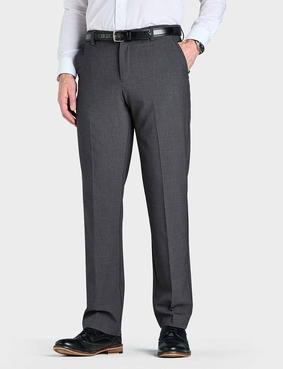
Some clothes become classics through clever marketing. Others just quietly survive because they’re genuinely good. I still spot Farah trousers on men of different ages and in plenty of settings, and that seems a stronger endorsement than a polished marketing line.
Farah began with workwear in the American South during the 1920s before finding a place in British wardrobes. By the time the 1980s arrived, most British high streets knew the name; mods and casual dressers in particular liked the sharp look without any fuss. The reputation has lasted.
What Actually Makes Them Worth Buying
The honest answer? Farah gets the basics right without asking you to overpay. The cuts are reliable, the fabrics hold their shape after washing, and they sit in that sweet spot between formal trousers and casual chinos that most men’s wardrobes desperately need more of.
There’s a reason so many style-conscious blokes of a certain age have at least one pair tucked away. They’re the kind of trouser you can wear with a shirt to a family lunch and then throw on again with a polo at the weekend without anyone questioning your choices. That’s actually quite hard to pull off with most trousers, which tend to commit firmly to one end of the formality spectrum.
The fabric composition tends to lean towards cotton or cotton-polyester blends, which means they’re not going to crease horribly after an hour in the car. Not entirely crease-proof, obviously, but better than a lot of alternatives at this price point. If you’re browsing farah trousers online, you’ll notice the range covers everything from slimmer cuts to more relaxed fits, so there’s genuinely something for different body types rather than just one silhouette that suits about twelve percent of the population.
The Fit Question
Fit is where a lot of men fall down, and it’s worth being honest about this. Farah’s sizing is generally consistent, but the specific cut matters enormously depending on your build. Their straight-leg options tend to work well for most people, sitting neither aggressively slim nor billowing around the ankle. The slightly tapered versions are good if you’re after something a bit more contemporary without veering into territory that’ll look dated in three years.
One thing I’d flag is the rise. Some of Farah’s cuts sit quite high compared to modern fashion trousers, which some men find uncomfortable if they’re used to low-rise cuts. But for others, particularly anyone who’s spent time in cheaper trousers that gap at the back when you sit down, the higher rise is genuinely a relief. Different preferences, different builds, no universal right answer there.
How to Wear Them Without Overthinking It
The overthinking is genuinely unnecessary here. Navy or camel Farah chinos with a white shirt and clean trainers is a combination that has worked reliably for about forty years and shows no signs of stopping. Darker shades like charcoal or olive tend to be more versatile through autumn and winter, while the lighter tones work well from April onwards assuming the British weather cooperates, which it often doesn’t.
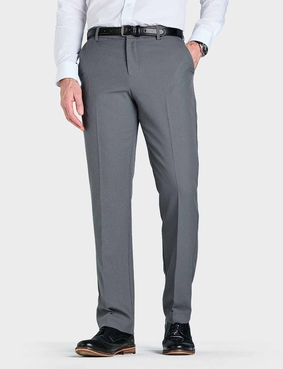
Layering is straightforward too. A knitted polo or a lightweight crew-neck jumper sits well over a collared shirt with these trousers without the outfit looking like you tried too hard or not hard enough. That middle ground is where Farah has always been most comfortable, and honestly it’s where most men’s real wardrobes actually live.
Are They Still Relevant in 2026?
The menswear conversation has shifted in a lot of directions over the past decade, but the appetite for well-made, sensibly priced trousers that don’t require you to reinvent your wardrobe around them hasn’t gone anywhere. Farah have kept the quality reasonably high without becoming a heritage brand that prices out the people who actually built its reputation.
There’s no dramatic reinvention happening here, and that’s sort of the point. They do the job without fuss, from a brand with plenty of experience. And, most of the time, that is all you really need.