

Every good harvest starts with a single seed, but not every seed gets the start it needs. A germinatoire affects everything about that equation.
Knowing what a germinatoire is and how to use it correctly can make the difference between a successful crop and a failed sowing season, whether you are a serious home gardener, an agricultural professional, or a botanical researcher. This complete book covers all you need to know, from the science of how seeds germinate to how to set up your business and use it in real life.
At the end of this post, you will have a clear plan for how to choose, use, and improve a germinatoire for every growth situation, as well as expert advice and tips that you can implement right away.
What Is a Germinatoire? Definition and Core Function
A germinatoire (from the French word “germer,” which means “to germinate”) is a controlled environment device or chamber that is made to start and support the germination process of seeds. It controls the temperature, humidity, and occasionally the amount of light that seeds get to make the perfect micro-climate for them to sprout evenly and dependably.
A germinatoire takes away the uncertainty of the weather, unlike open-tray sowing. The two most important things for early plant growth are continuous warmth and moisture. These are the two things that seeds inside get. This makes the germinatoire very useful in a lot of different situations, from small herb gardens in the kitchen to big nursery businesses.
- 80–95%: The normal rate of germination in a controlled germinatoire
- 18–25°C: The best temperature range for most vegetable seeds
- 70–90%: The ideal level of humidity inside a germinatoire
- 3–7 days: The average amount of time it takes for seeds to germinate in the best conditions.
The Science of Seed Germination: Why a Germinatoire Matters
Germination is a complicated biological process that happens when a dormant seed gets the correct amount of water, oxygen, and heat. The seed coat gets softer, enzymes start to work, and the embryonic root (radicle) starts to grow. Seeds can stay dormant forever if they don’t get the correct environmental signals. In fact, they can even decay before they sprout.
Research on plant physiology shows that even small changes in temperature can cut germination rates by 20–30%. This makes a germinatoire a good purchase for anyone who wants to grow seeds.
“Germination environments no longer represent an optional expense; rather, they form an integral component of modern horticulture that open-field sowing cannot meet.”
Dr. Marie-Claire Fontaine from the Plant Physiology Research Institute in Lyon
Some Biological Triggers in Seed Germination
- Imbibition is when water is absorbed by the seed’s tissues, which rehydrates them and turns on metabolic enzymes.
- Respiration increases: The seed changes from anaerobic to aerobic metabolism, which needs enough oxygen.
- Hormone activation: Gibberellins tell the body to move stored nutrients to the growing embryo.
- Cell elongation: The walls of the radicle cells loosen, which lets the root tip push through the seed coat.
- Photomorphogenesis: Some seeds need light cues (activation of phytochrome) to wake up from dormancy.
Types of Germinatoire: Choosing the Right One
There are differences among germinative systems. Your budget, the size of your business, and the type of plant you want to grow all play a role in making the appropriate pick. Here is an analogy of the most frequent varieties that are accessible right n
| Type | Best For | Temperature Control | Humidity Control | Cost Range |
| Heated propagator (dome tray) | Home gardeners, hobbyists | Basic thermostat | Passive (dome) | €15–80 |
| Digital germinatoire cabinet | Nurseries, small producers | Precise digital (±0.5°C) | Active humidifier | €150–600 |
| Growth chamber / climate room | Research, large-scale commercial | Programmable multi-zone | Full environmental control | €2,000+ |
| DIY germinatoire (heat mat + enclosure) | Budget-conscious enthusiasts | Heat mat with probe | Manual misting | €30–120 |
Heat Mat vs. Cabinet: Which Offers Better Results?
A good heat mat and a clear humidity dome are usually all that small-scale users need. But cabinet-style germinatoire units are better than heat mats in two important ways: they keep the temperature even across all trays, and they have built-in humidity control. Research at the Institut National de la Recherche Agronomique (INRA) indicated that cabinet-based systems yielded germination rates 15–20% superior to basic heat mat configurations for slow-germinating species such as peppers and aubergines.
How to Use a Germinatoire: Step-by-Step Process
You can’t just put seeds in your germinatoire and wait for them to grow. You need to do more than that. Following a set process makes sure that you get the best results every time.
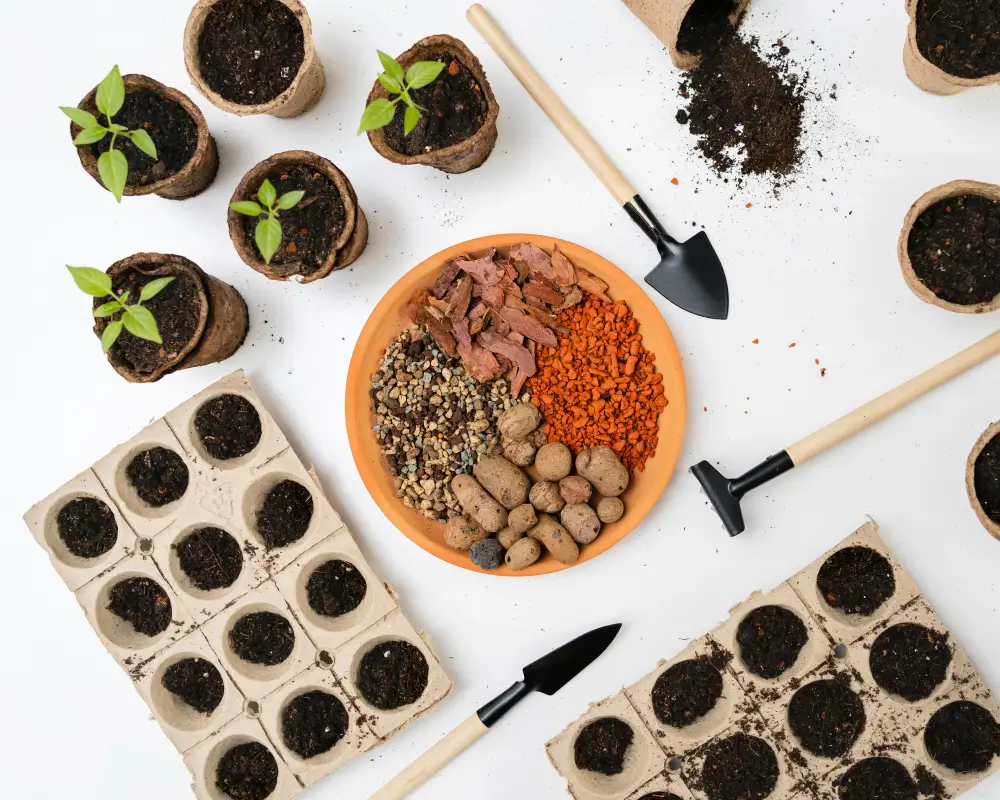
- Pre-soak seeds: Soak seeds with hard shells, such as beetroot and leeks, in room-temperature water for 12 to 24 hours before putting them in the germinatoire. This makes the seed coat softer and speeds up imbibition.
- Get your substrate ready by using sterile, fine-grade seed-sowing compost or vermiculite. Don’t use garden soil because it can get hard and may transmit germs. Make sure the substrate is evenly moist. When you squeeze it, it should keep its shape but not drip water.
- Plant your seeds at an appropriate depth; as a guideline, plant them twice as deep as wide. Simply push small seeds like basil or lettuce onto the surface before spraying with water to cover.
- Set the right temperature by looking at a seed germination temperature chart—most veggies like temperatures between 18 and 22 degrees Celsius. Tropical vegetables like tomatoes, peppers, and eggplants do best between 22 and 28 degrees Celsius.
- Keep the humidity level between 70 and 85 percent. If your germinatoire doesn’t have a built-in humidifier, spray it lightly once or twice a day and leave the lid slightly open.
- Check every day for evidence of germination (the radicle coming out). If the substrate looks too wet, take out any seeds that look like they have mold on them right away and change the moisture level.
- Move seedlings right away: As soon as the first genuine leaves appear, put them in separate pots or modules. Too many plants in a germinatoire can lead to damping-off disease.
Species-Specific Guidelines for Optimal Germination
Inside a germinatoire, different plant families have extremely distinct needs. Adjusting your settings to the species you are propagating makes a big difference in the results.
Vegetables and Herbs
- Tomatoes and peppers need 22–26°C, 75% humidity, and 5–10 days to germinate.
- Lettuce and salad leaves: 16–20°C, do not go above 25°C (this can produce thermodormancy)
- Basil needs to be kept between 22 and 24 degrees Celsius. It is particularly sensitive to cold, therefore it should never be below 18 degrees Celsius.
- Courgettes and cucumbers: 22–28°C, germinate quickly (3–5 days) in a warm germinatoire
- Celery seeds need light to sprout; don’t cover them. Use only a clear dome.
Flowers and Ornamentals
- Begonias and petunias need light and temperatures between 22 and 24 degrees Celsius. Plant them on the surface only.
- Lavender: It needs to be cold stratified for 3–4 weeks before being put in a warm germination chamber.
- Delphinium: likes temperatures between 15 and 18 degrees Celsius; stay away from too much heat
Common Mistakes to Avoid When Using a Germinatoire
Even expert growers make mistakes that make it harder for seeds to germinate. Finding these problems early will help you save time and seed stocks. The most prevalent reason for seed rot and damping-off fungus is wetting the substrate too much.
- Setting the temperature too high, above 30°C, might halt or even stop germination in crops that grow in cool weather.
- If you leave seedlings in the germinatoire for too long, they will become etiolated, which means they will grow weak and leggy. This happens when seedlings stay in low-light, high-humidity circumstances after they sprout.
- Using unsterilized compost brings in fungal pathogens that kill seedlings that are just starting to grow.
- Not taking into account the light needs of each species, covering light-dependent seeds greatly lowers the rate at which they germinate.
- If you don’t identify trays, it can be hard to tell which species are which in a germination tray with many different types.
Commercial Applications of the Germinatoire
The germinatoire is very important in professional horticulture, not just in home gardens. Commercial nurseries employ germination chambers with a lot of space to grow the same number of seedlings for retail, landscape, and food production.
The professional seed germination business in France alone is worth about €380 million a year. Controlled germination technology is becoming a bigger part of horticultural infrastructure investment. Clause, Vilmorin, and Gautier Semences are some of the biggest seed manufacturers that use advanced germination chambers to keep up with quality assurance and seed viability testing. A well-calibrated germinatoire cuts seed waste by up to 40% compared to open-bench germination when used on a large scale. This means more money and a longer-lasting business.
— Jean-Paul Mercier, Head of Propagation at Pépinières du Sud-Ouest
Case Study: Urban Farming and Vertical Production
Urban vertical farms are one of the fastest-growing areas for germinatoire use. A vertical farm operator in Paris said that using a digitally controlled germination system cut their average time to transplant by four days and raised the uniformity of their seedlings from 68% to 94%. This made it easier to plan when to plant crops and forecast how much they would yield.
Key Takeaways
- A germinatoire is a device that controls temperature and humidity in a controlled environment to speed up the germination of seeds.
- There is no one-size-fits-all temperature setting for sowing seeds, so make sure to set it exactly right for the species.
- The two most typical reasons for failure are rot and damping-off, which can be avoided by using sterile substrate and keeping the moisture levels just right.
- As soon as the first genuine leaves show, take the seedlings out of the germinatoire.
- When commercial producers switch from open-bench to cabinet-based germination systems, they typically see efficiency increases of 15% to 40%.
- Home gardeners can save money by making their own germination settings with heat mats and humidity domes.
Frequently Asked Questions About the Germinatoire
Q: What sets a germinatoire apart from a standard seed tray?
A: A typical seed tray depends on the circumstances in the room, whereas a germinatoire controls the temperature and humidity. This makes the germinatoire much more reliable and stable, especially in the winter when indoor temperatures change a lot.
Q2: Is it possible to create a germinatoire at home?
A: Sure. A simple DIY germinatoire can be made with a heated propagation pad, a seed tray with a clear humidity dome, and a basic thermostat probe. This arrangement costs between €30 and €80 and works well for most vegetable and herb seeds.
Q3: Do all seeds need a germination chamber to sprout?
No, a lot of seeds will germinate at room temperature without any specific tools. But tomatoes, eggplants, and peppers, which are warm-season crops, sprout much more slowly and unevenly at regular room temperatures. When planting these kinds of seeds early in the season, a germinatoire is especially useful.
Q4: How long should seeds stay inside a germinatoire?
Seeds should remain in the germinatoire only until germination is visible — typically until the radicle emerges or the cotyledons (seed leaves) open. At this point, seedlings need light and should be moved to a bright windowsill or under grow lights. Leaving them inside too long causes weak, etiolated growth.
Q5: What degree of humidity is optimal for a germinatoire?
Most species do best when the relative humidity is between 70% and 85%. The danger of fungal disease goes up a lot when the humidity is over 90%. If the substrate is below 60%, it dries up too quickly and can stop the germination process in the middle of imbibition.
Q6: Should a home gardener buy a germinatoire?
Germinators quickly pay for themselves for gardeners who frequently plant warm-season veggies or sow early (February-March) seeds, because it speeds germination rates and harvesting processes while simultaneously cutting costs when low germination rates exist. You can purchase beginner versions online and at garden centers for around EUR20-30.
Conclusion:
The germinatoire is one of the best tools for growing plants. At first, it looks easy, but it has a tremendous impact on the results. It makes germination a science by giving seeds exactly what they need when they are most likely to fail.
The rules are the same whether you buy a professional digital cabinet or make your own heat mat setup: the proper temperature, the right amount of moisture, and the right time. If you can control those three things in germination, you’ll have a much better chance of success with your planting every season.