


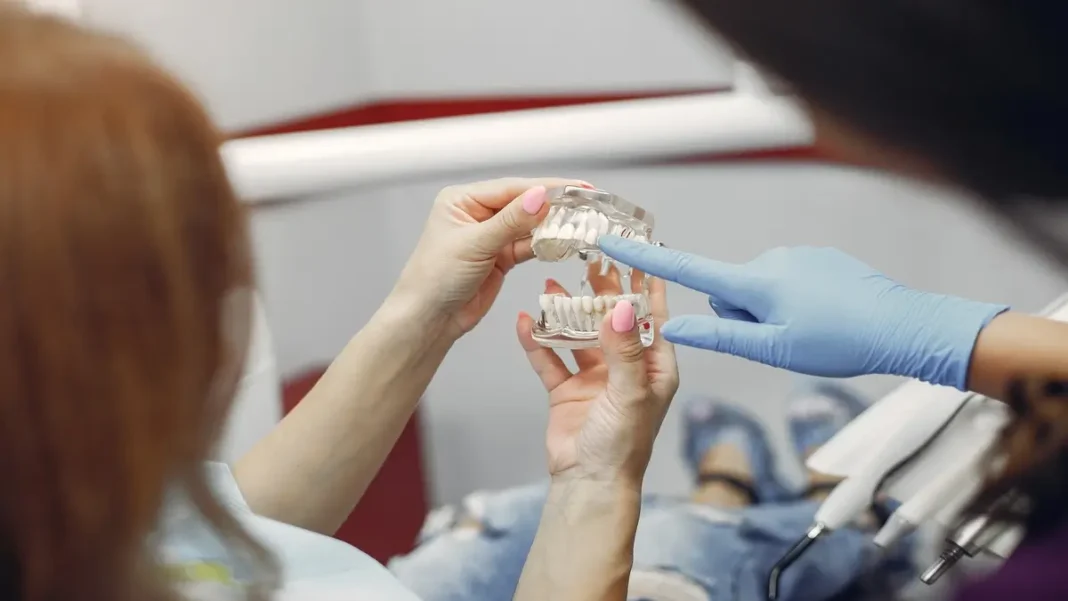
For many years, achieving a straighter smile often meant undergoing treatment with visible metal braces. While effective, traditional braces presented certain aesthetic and lifestyle challenges. Today, however, we have a revolutionary alternative that has transformed orthodontics: Invisalign. This innovative system offers a discreet, comfortable, and highly effective way to correct various orthodontic issues. At its core, Invisalign utilizes a series of custom-made, clear plastic aligners that gradually shift your teeth into their desired positions. We’re here to guide you through everything you need to know about this remarkable treatment, from how it works to how it can help you achieve the smile you’ve always dreamed of. Join us as we explore the journey to a more confident you, made possible by the clarity and convenience of Invisalign.
Understanding Invisalign: How the Clear Aligner System Works
Invisalign is a sophisticated orthodontic treatment that moves teeth using a series of virtually invisible, removable aligners. Unlike traditional braces that rely on brackets and wires, Invisalign aligners are custom-fabricated for each patient, designed to apply precise, controlled forces to specific teeth at different stages of the treatment.
The Science Behind the Smile
The process begins with a detailed 3D digital scan of your teeth. This scan, often performed using an iTero Element scanner, creates an incredibly accurate model of your mouth. Using specialized software, your orthodontist then maps out a precise treatment plan, showing the exact movements of your teeth from their current position to their final, desired alignment. This digital blueprint, known as a ClinCheck® plan, allows you to visualize your entire treatment journey and even see what your finished smile will look like before you even begin.
The Aligner Series
Based on this digital plan, a series of unique Invisalign aligners are manufactured. Each set of aligners is designed to be worn for approximately one to two weeks, for 20 to 22 hours per day, before moving on to the next set in the series. Every new set of aligners brings your teeth one step closer to their final position. The gentle, continuous pressure exerted by the aligners gradually repositions your teeth, making the entire process both predictable and comfortable. The number of aligners in your series will vary depending on the complexity of your case, but typically ranges from 12 to 48 sets.
Key Advantages: Why Patients Choose Invisalign
The popularity of Invisalign has soared, with over 15 million smiles treated worldwide, and for good reason. Patients consistently choose Invisalign over traditional options due to its numerous benefits.
- Virtually Invisible: Perhaps the most significant advantage is the aesthetic appeal. Invisalign aligners are made from a clear, medical-grade thermoplastic material, making them nearly impossible to notice when worn. This discretion is particularly appealing to adults and teenagers who may feel self-conscious about traditional metal braces.
- Comfort: Without wires, brackets, or sharp edges, Invisalign aligners are smooth and custom-fitted, significantly reducing the irritation and discomfort often associated with conventional braces. While you might feel some pressure when switching to a new set of aligners, this is a sign that your teeth are moving and typically subsides within a day or two.
- Removability: This is a game-changer for daily life. You can easily remove your Invisalign aligners to eat, drink, brush, and floss. This means no dietary restrictions – you can enjoy all your favorite foods without worry. It also makes maintaining excellent oral hygiene much simpler, as you can brush and floss normally, reducing the risk of plaque buildup and cavities.
- Predictable Results: Thanks to the advanced 3D imaging and treatment planning software, patients can often see a virtual representation of their expected results even before starting treatment. This predictability provides peace of mind and allows for precise adjustments throughout the process.
- Improved Oral Hygiene: The ability to remove aligners for cleaning means you can brush and floss your teeth thoroughly, promoting better overall oral health during treatment compared to traditional braces where food particles can easily get trapped.
- Fewer Office Visits: While regular check-ups are still necessary to monitor progress, Invisalign often requires fewer and shorter appointments compared to traditional braces, as there are no wires to tighten or brackets to adjust.
- Enhanced Confidence: For many, the discreet nature of Invisalign means they feel more confident throughout their treatment journey, leading to a greater willingness to smile and engage socially.
The Invisalign Treatment Journey: Step-by-Step
Embarking on your Invisalign journey is an exciting process, carefully planned and executed to ensure the best possible results.
Initial Consultation and Assessment
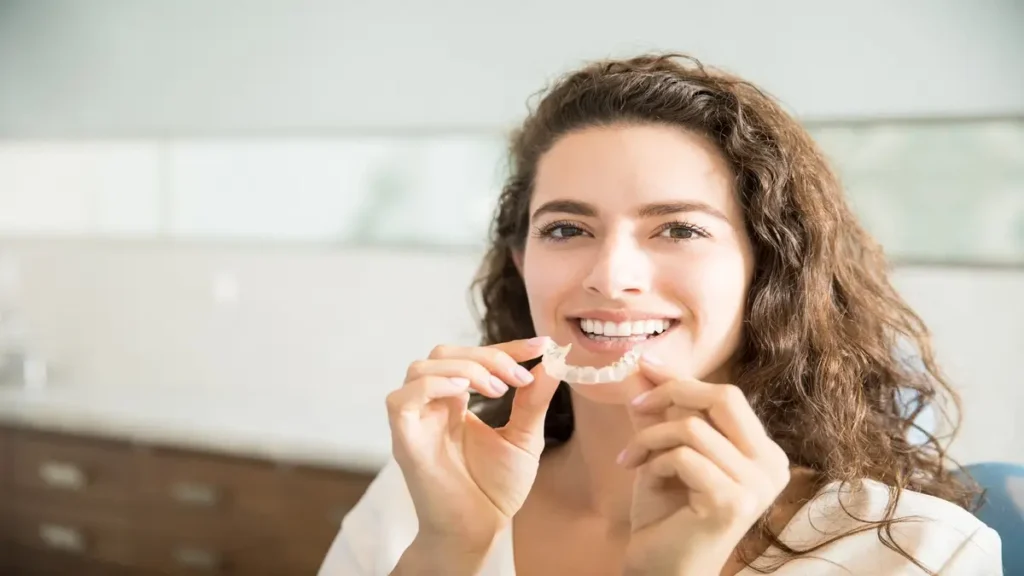
Your journey begins with a comprehensive consultation with an Invisalign-trained orthodontist or dentist. During this visit, we will assess your oral health, discuss your smile goals, and determine if Invisalign is the right treatment option for you. We’ll examine your teeth, gums, and bite, and may take X-rays, photos, and perform a 3D digital scan of your mouth. If you’re seeking expert guidance and advanced orthodontic solutions, Innovative Dental Group provides personalized Invisalign consultations to help you start your smile transformation with confidence.
Custom Treatment Plan Development
Using the digital scans and images, your orthodontist will create a precise 3D treatment plan using Invisalign‘s proprietary ClinCheck® software. This software allows us to map out the exact movements of your teeth and visualize the entire transformation from start to finish. You’ll even get to see a simulation of your future smile! Once you approve the plan, your custom aligners will be manufactured.
Receiving Your Aligners
Once your custom aligners arrive, you’ll have an appointment to receive your first sets. Your orthodontist will ensure they fit properly and will provide detailed instructions on how to wear and care for them. You may also have small, tooth-colored attachments bonded to some of your teeth. These attachments, often called “SmartForce® attachments,” act as anchors for the aligners, helping them grip and apply the necessary force for complex tooth movements. They are discreet and removed at the end of treatment.
Wearing Your Aligners
You will wear each set of Invisalign aligners for approximately one to two weeks, for 20 to 22 hours a day. It’s crucial to adhere to this wear time to ensure your treatment stays on track. You’ll typically switch to a new set of aligners at home, following your orthodontist’s schedule.
Regular Check-ups
Throughout your treatment, you’ll have periodic check-up appointments, usually every 6 to 8 weeks. These visits allow your orthodontist to monitor your progress, ensure your treatment is proceeding as planned, and provide you with your next sets of aligners.
The Retention Phase
Once your Invisalign treatment is complete and your teeth have reached their ideal positions, the final step is retention. This involves wearing a retainer, usually a Vivera® retainer (which looks similar to an Invisalign aligner), to keep your teeth from shifting back to their original positions. This phase is critical for maintaining your beautiful new smile long-term.
Is Invisalign Right for You? Candidacy and Considerations
While Invisalign is a versatile solution for many orthodontic issues, it’s not universally suitable for every case. Understanding candidacy and key considerations is crucial.
Common Conditions Treated by Invisalign
Invisalign can effectively address a wide range of orthodontic concerns, including:
- Crowded teeth: When there isn’t enough space for teeth to align normally.
- Gaps between teeth: Spaces that can lead to food trapping and gum issues.
- Overbite: When the upper front teeth overlap the lower front teeth significantly.
- Underbite: When the lower front teeth protrude past the upper front teeth.
- Crossbite: When some upper teeth sit inside the lower teeth.
- Open bite: When the upper and lower teeth don’t meet when the mouth is closed.
Factors Affecting Candidacy
Your eligibility for Invisalign will be determined by an orthodontist based on several factors:
- Severity of Malocclusion: While Invisalign can handle many complex cases, extremely severe misalignments or jaw discrepancies might still require traditional braces or a combination approach.
- Patient Compliance: The success of Invisalign heavily relies on consistent wear. Patients must commit to wearing their aligners for the recommended 20-22 hours per day. Those who struggle with discipline may find traditional braces a better fit.
- Oral Health: Before starting Invisalign, your gums and teeth must be healthy. Any underlying issues like cavities, gum disease, or untreated infections need to be addressed first.
- Age: While Invisalign is popular among adults and teens, there’s also Invisalign Teen, specifically designed for younger patients whose permanent teeth may not have fully erupted.
“Invisalign has advanced significantly over the years, allowing us to treat a much broader spectrum of cases than ever before,” says Dr. Sarah Chen, a board-certified orthodontist. “However, a thorough diagnostic assessment by an experienced professional is always the first step to ensure it’s the optimal choice for an individual’s unique needs.”
Caring for Your Aligners and Maintaining Oral Health
Proper care for your Invisalign aligners and diligent oral hygiene are paramount to the success of your treatment and the health of your smile.
Daily Aligner Care
- Rinse and Brush: Every time you remove your aligners, rinse them with water. At least twice a day, gently brush them with a soft-bristled toothbrush and a non-abrasive toothpaste or a specialized Invisalign cleaning solution. Avoid hot water, as it can warp the plastic.
- Soak Regularly: You can soak your aligners in Invisalign cleaning crystals or a retainer cleaning tablet once a day to keep them fresh and free of bacteria.
- Store Safely: When not in your mouth, always store your aligners in their protective case. This prevents them from getting lost, damaged, or exposed to bacteria. Never wrap them in a napkin, as they are easily mistaken for trash.
Maintaining Oral Hygiene
The removability of Invisalign is a huge advantage for oral hygiene.
- Brush and Floss After Every Meal: Before reinserting your aligners, always brush and floss your teeth thoroughly. Food particles trapped between your teeth and aligners can lead to plaque buildup, cavities, and bad breath.
- Stay Hydrated: Drinking plenty of water helps rinse away food debris and keeps your mouth moist.
- Regular Dental Check-ups: Continue your routine dental check-ups and cleanings with your general dentist throughout your Invisalign treatment. They can monitor your overall oral health and address any issues promptly.
- Avoid Staining Beverages with Aligners In: While you can drink plain water with your aligners in, avoid sugary drinks, coffee, tea, and red wine, as these can stain your aligners and potentially your teeth if trapped. Always remove aligners for anything other than water.
By following these simple guidelines, you’ll ensure your Invisalign treatment is as effective and hygienic as possible, leading to a healthy, brilliant smile.
Invisalign vs. Traditional Braces: A Comparative Look
When considering orthodontic treatment, the choice often comes down to Invisalign or traditional braces. Both are highly effective, but they differ significantly in aesthetics, comfort, and lifestyle impact. Here’s a comparative overview:
While traditional braces are a proven method for comprehensive tooth movement, Invisalign offers a modern, discreet alternative that many patients find more appealing due to its flexibility and aesthetic benefits. The best choice ultimately depends on your specific orthodontic needs, lifestyle, and preferences, which your orthodontist can help you determine.
Frequently Asked Questions (FAQ)Does Invisalign hurt?
You may experience some mild discomfort or pressure for a day or two after switching to a new set of aligners. This sensation is normal and indicates that your teeth are moving. It’s generally described as pressure rather than sharp pain.
How long does Invisalign treatment take?
Treatment time varies depending on the complexity of your case. On average, Invisalign treatment can range from 6 to 18 months, though some minor cases may be shorter and more complex cases could take longer. Your orthodontist will provide a more accurate estimate during your consultation.
Can I eat and drink with my Invisalign aligners in?
We strongly recommend removing your Invisalign aligners for all meals and when drinking anything other than plain water. Eating with aligners can damage them, and sugary or colored drinks can stain the aligners and potentially lead to cavities or discoloration of your teeth.
Will Invisalign affect my speech?
When you first start wearing your Invisalign aligners, you might notice a slight lisp for a day or two as your tongue adjusts to having the aligners in your mouth. This typically resolves quickly as you get used to them.
What happens if I lose an aligner?
If you lose an Invisalign aligner, contact your orthodontist immediately. Depending on how long you’ve worn the current aligner, they might advise you to wear your previous set, move to the next set, or order a replacement. It’s crucial not to skip aligners without professional guidance.
Do I need to wear a retainer after Invisalign?
Yes, absolutely. Wearing a retainer after Invisalign treatment is critical to maintain your results. Without a retainer, your teeth can gradually shift back to their original positions, undoing all the hard work. Your orthodontist will advise you on the type of retainer and how often to wear it.
Conclusion: Embrace Your New, Confident Smile with Invisalign
Invisalign has truly revolutionized the field of orthodontics, offering a modern, discreet, and comfortable path to a straighter, healthier smile. We’ve explored how this innovative system works, the significant advantages it offers over traditional braces, the step-by-step journey patients undertake, and important considerations for candidacy and care. The ability to achieve remarkable results without the aesthetic and lifestyle compromises of metal braces makes Invisalign an incredibly appealing option for millions worldwide. If you’re looking to correct orthodontic issues, improve your oral health, and boost your self-confidence, Invisalign could be the perfect solution for you. We encourage you to schedule a consultation with an Invisalign provider to discuss your specific needs and discover how this clear aligner system can help you embrace your new, confident smile. Your journey to a brighter, straighter future starts now.