


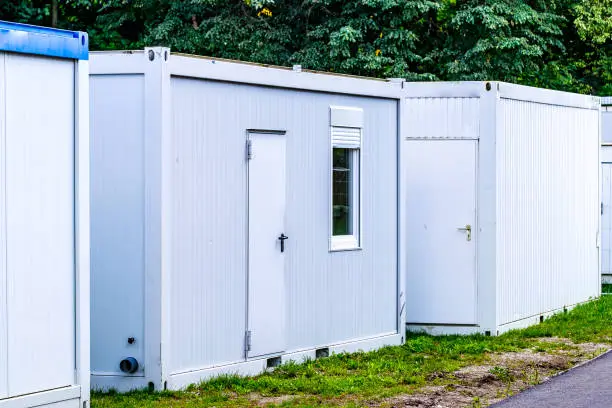
I’ve lost count of how many of these I’ve rented. Somewhere north of forty, between my own moves, two renovations, and a stretch of years helping clients figure out why their stuff came back damp or why the bill was double what they’d been quoted.
Here’s what I’d tell a friend.
Get the bigger one
Everybody underestimates. Everybody. You look at your living room and think, that’s not much, and then you start boxing and discover the hall closet has been eating your belongings since 2017. A 16-footer will swallow most three-bedroom houses, but only if you pack like someone who does it for a living, and you don’t. You’ll leave gaps. You’ll stack a dresser on its side because it seemed fine at the time.
The jump from an 8-foot to a 16-foot unit is usually forty or fifty bucks a month. A second delivery because you ran out of space on a Sunday night is three hundred, assuming they can even get a truck to you. Do that math once and the decision makes itself.
Where it sits matters more than you’d think
Level ground. Not “roughly level.” If the container sits on a slope, the doors bind, and you’ll be putting your shoulder into them every time you want a winter coat.
Surface, too. Fresh asphalt in August will hold the imprint of the container’s feet permanently. I watched a guy in Byron learn that one. Interlock cracks. Gravel shifts and settles unevenly over a few weeks. Four pieces of ¾-inch plywood under the contact points costs maybe sixty dollars and saves a driveway repair.
Look up before you book. Hydro lines, maples that nobody’s trimmed in a decade, a carport overhang. The truck has to tilt the unit off its bed, which needs real vertical clearance, and drivers will refuse the drop rather than risk it. They’re right to.
And call your city about permits if it’s going anywhere near the street. Takes five minutes. Not calling has cost people I know actual fines.
Condensation ruins more belongings than thieves do
This is the one nobody warns you about. Steel container, cold night, warm humid air trapped inside. Moisture forms on the ceiling and rains down on whatever’s underneath. People open the doors in spring, find a soaked mattress, and swear there’s a leak in the roof. There isn’t.
Keep everything off the floor. Pallets, scrap lumber, anything. Toss in a few of those moisture-absorbing buckets they sell for boats. Leave breathing room between stacks instead of jamming things wall to wall. And whatever you do, don’t seal slightly damp items inside plastic totes, because you’ve just built yourself a mould incubator with a snap-on lid.
If you’re pricing out storage London Ontario companies, ask flat out whether your unit stays in a yard outdoors or gets moved into a heated building. Both get advertised the same way. They are not the same product come January.
Load it like a transport trailer
Weight low, weight against the walls, weight spread front to back. Appliances, bookcases, the box of hardcover books you’ll never read again: floor level. Lamps and lampshades and the bag of duvets go up top.
Buy ratchet straps. Four of them, minimum. The moving containers travel on the same roads as everything else, with the same frost heaves and construction patches, and anything you haven’t tied down is going to walk. Strap across the width every few feet as you build the load. Stuff the gaps with soft goods so nothing has room to tip over.
Load backwards, too. Patio furniture goes deep at the back. The stuff you might actually need in six weeks goes by the door. If you’re planning to access it during the rental, leave yourself a centre aisle, and leave a flashlight hanging just inside, because a sealed container is darker than you expect.
The contract is where the money hides
Minimum rental periods. Whether month four gets prorated if you only need eleven days of it. How many relocations are included and what the next one costs. Delivery and pickup are sometimes separate line items, sometimes bundled, and the quote on the website is rarely the number on the invoice.
Insurance is the big one. Your home policy may cover contents in temporary storage, or may cover them at a reduced limit, or may drop coverage entirely once the container leaves your property. Three different insurers, three different answers. Ask yours, get it in writing, then decide whether the rental company’s coverage is filling a real hole or just padding the bill.
You keep the lock. Not them. If that’s a negotiation, go elsewhere.
Things that don’t go in: propane, gas cans, anything with a fuel tank still in it, paint that’s been opened, candles, vinyl records, batteries left inside electronics.
Ask all the awkward questions before the truck is booked. After it’s in your driveway, you’ve lost most of your leverage.