


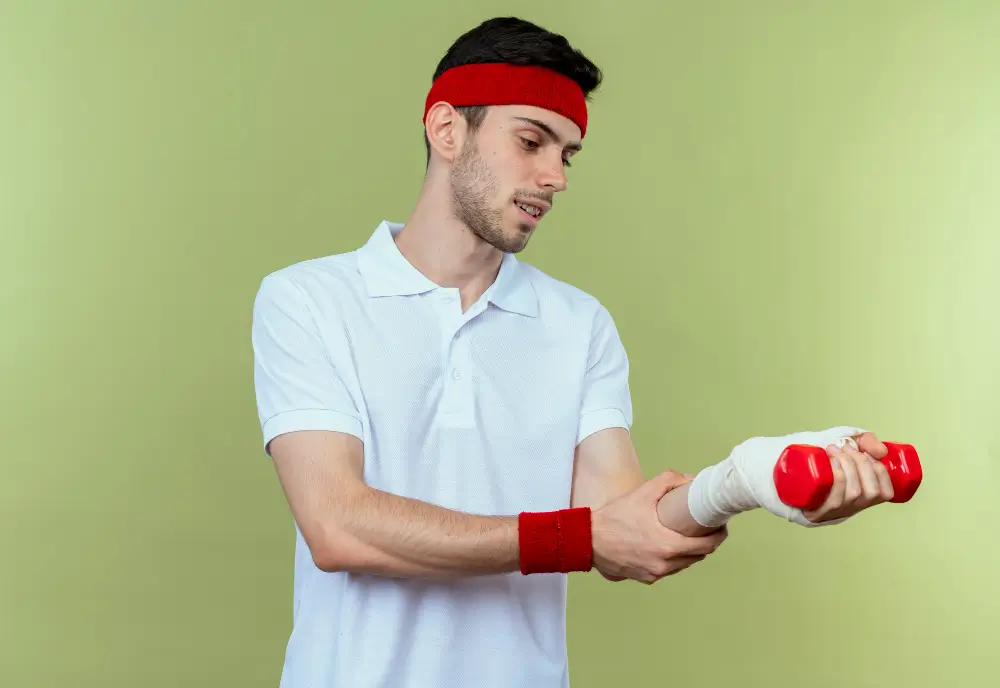
The short answer is yes, but only if you exercise wisely. Experiencing tennis elbow pain (this is commonly referred to as แก้อาการปวดข้อศอกด้านนอก in Thai) does not automatically mean you should stop all physical activity. While certain movements may aggravate the injured tendon, staying active with the right approach can help maintain strength, support recovery and prevent stiffness. Understanding which exercises to continue and which to avoid is often the key to returning to your normal routine sooner.
Know When to Ease Off
Not every workout is beneficial during recovery. If a particular movement causes sharp pain during or after exercise, it is usually a sign that the affected tendon is being overloaded. Activities involving repetitive gripping, heavy lifting or forceful wrist movements often place additional strain on the elbow and may delay healing.
Reducing the intensity or temporarily modifying these exercises allows the irritated tissues to recover without forcing you to stop being active altogether.
Keep the Rest of Your Body Moving
Having tennis elbow does not mean every form of exercise is off limits. Many people can continue lower body workouts, walking, cycling or gentle cardio without placing unnecessary stress on the injured arm. Staying active supports circulation, improves overall wellbeing and helps maintain fitness while your elbow recovers.
The goal is to work around the injury rather than ignore it or stop exercising completely.
Focus on Controlled Strengthening
Once the initial discomfort begins to settle, carefully selected strengthening exercises can become an important part of rehabilitation. Gradual loading helps improve the tendon’s ability to tolerate everyday activities and future exercise.
These movements should be introduced progressively and performed with good technique. More resistance does not always mean better results. Consistency is often far more valuable than intensity.
Don’t Ignore Your Technique
Often, the issue lies in the way the exercise is performed rather than the exercise itself. Poor lifting technique, gripping equipment too tightly or repeatedly using the same movement pattern can all contribute to unnecessary strain around the elbow.
Reviewing your form, adjusting equipment or varying your training routine may reduce stress on the affected area while allowing you to continue exercising safely.
Recovery Is About Balance
One common mistake is alternating between complete rest and intense exercise. Neither extreme is usually ideal. A balanced programme that combines appropriate activity, recovery time and gradual progression gives the tendon the opportunity to adapt without becoming overloaded.
Listening to your body’s response after each session is equally important. Mild discomfort during rehabilitation exercises may be expected, but increasing pain that lasts well into the following day often indicates that adjustments are needed.
When Professional Guidance Can Help
If elbow pain continues despite reducing your activity or repeatedly returns whenever you resume exercise, it may be time to seek professional advice. A physiotherapist can assess how you move, identify contributing factors and develop an exercise programme tailored to your lifestyle, occupation and fitness goals.
Early guidance can also help prevent compensatory movements that may place extra strain on the wrist, shoulder or neck over time.
Move Forward with Confidence
Remaining active during tennis elbow recovery is often possible when exercise is adapted to suit your current stage of healing. Choosing the right movements, progressing gradually and addressing the underlying cause can support a safer return to sport, work and everyday life. If you’re looking for personalised assessment and evidence-based treatment, the team at BPC can help you recover with confidence and get back to doing what you enjoy most.