


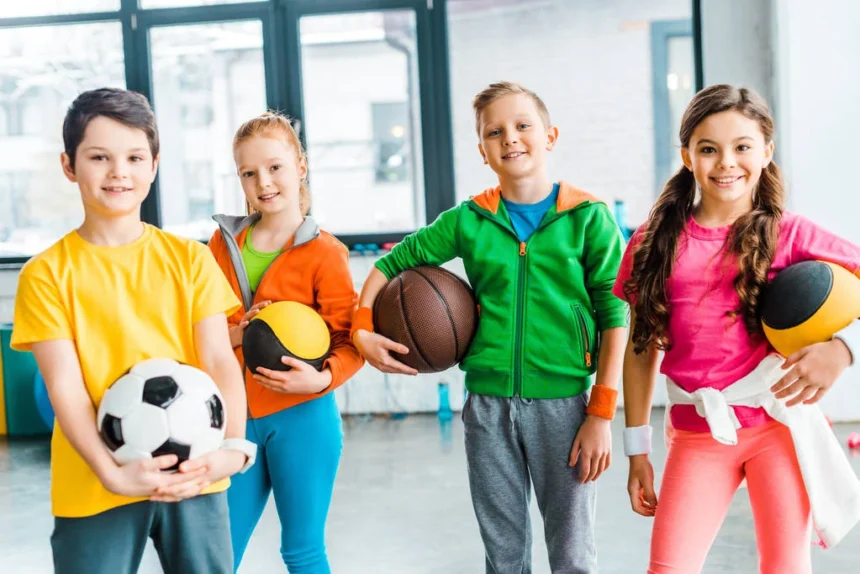
According to recent AusPlay data from the Australian Sports Commission, roughly 1.83 million Australian children under the age of 14 participate in organised outside-of-school sports at least once a week. While keeping kids active is traditionally viewed through the lens of physical fitness, a modern understanding of wellbeing reveals a much deeper impact. Movement is not just about building strong muscles, improving flexibility, or increasing cardiovascular endurance. It is a critical biological toolkit for cognitive development and emotional regulation. As parents and educators look for ways to foster resilience in the next generation, team activities are emerging as a highly effective solution.
The Physical Milestones of Early Movement
The Australian Government Department of Health and Aged Care officially recommends that children and adolescents accumulate at least 60 minutes of moderate to vigorous physical activity every day. Unfortunately, a recent population-level study analysing the NSW Active Kids program revealed that only 16.1 percent of children are currently meeting these national physical activity guidelines. This highlights a critical need for engaging youth movement initiatives that kids actually want to attend, rather than forcing them into exercises they find tedious or uninspiring.
Structured activities offer a highly effective, total-body workout that targets both gross and fine motor skills. For example, participating in kids basketball training helps children safely develop fundamental coordination, multi-directional agility, and cardiovascular health. The fast-paced nature of these activities requires constant, split-second decision making, which developmental experts note directly improves a child’s mental agility, focus, and situational problem-solving skills.
Cognitive Growth and Emotional Regulation
The benefits of physical activity extend far beyond the physical body. Following the increase in sedentary habits formed during global lockdowns, modern youth sports programs have increasingly shifted their coaching models to focus on holistic wellness. Exercise acts as a biological catalyst, stimulating the release of endorphins, dopamine, and serotonin while decreasing stress hormones like cortisol.
This biochemical shift serves as a natural method for emotional regulation. In fact, many experts highlight that building a routine of regular movement is an essential tool for mental health, laying the groundwork for a balanced lifestyle. As children learn to navigate the physical challenges of a sport, they simultaneously build the emotional flexibility needed to manage stress, frustration, and anxiety in their daily lives.
Team Sports as a Catalyst for Mental Resilience
Data from the Australian mental health organisation Beyond Blue notes that over 75 percent of mental health issues occur before the age of 25. This underscores the urgent need for early-life interventions. There is a growing clinical emphasis on exercise as medicine in Australia, with organisations like the Black Dog Institute advocating for regular activity to interrupt cycles of anxiety in young people.
Participating in team-based environments provides a unique psychological advantage. A large-scale study published in PLOS ONE tracking over 11,000 children found that participating in team sports is associated with 10 percent lower anxious and depressed scores, as well as 17 percent lower social problem scores compared to non-sport participation. Early childhood education and mental health professionals are increasingly collaborating to use these structured sports environments as safe, community-based spaces for children to build self-esteem and overcome social isolation.
How to Encourage Lifelong Healthy Habits
Helping children unlock these physical and mental benefits requires a supportive, community-focused approach. When kids feel safe and encouraged, they are far more likely to stick with a sport long enough to reap the developmental rewards.
To support a positive sports experience for your child, consider the following strategies:
- Focus on fun over competition: Prioritise programs that emphasise teamwork, fundamental skills, and enjoyment rather than solely focusing on winning.
- Encourage consistency: Help your child build a routine by attending practices regularly, which teaches discipline and time management.
- Celebrate effort: Praise their hard work and resilience during difficult drills rather than focusing only on their natural talent or game outcomes.
- Be an active role model: Demonstrate a positive attitude towards physical activity in your own life to show that exercise is a lifelong habit.
- Support social connections: Encourage your child to form friendships with their teammates, which strengthens their sense of belonging and community.
Youth sports offer much more than a way to burn off afternoon energy. They are a powerful foundation for holistic health, combining essential physical conditioning with critical lessons in emotional resilience and social confidence. By encouraging children to engage in structured, supportive team activities, we give them the tools they need to navigate the physical and mental challenges of life.