


Table of Contents
Introduction
As I explore the world of calamansi, I’m struck by its significance in Filipino cuisine and culture. This small citrus fruit, native to the Philippines, has captured my interest for its unique flavor profile, its versatility in cooking, and potential health benefits.
The Origins and Botany of Calamansi
A Brief History
Calamansi, scientifically known as Citrus × microcarpa, is deeply rooted in Philippine soil. As I researched its history, I discovered that this fruit has been cultivated in the Philippines for centuries, becoming an integral part of its culinary heritage.
Botanical Characteristics
- Scientific name: Citrus × microcarpa
- Tree height: 4 to 6 meters
- Leaf shape: Elliptic, oblong
- Fruit size: Approximately 1 inch in diameter
- Skin color: Ranges from green to dark yellow-orange
Cultivation and Availability
Growing Regions
In my research, I identified several vital regions where calamansi is cultivated:
| Region | Countries/Areas |
| Southeast Asia | Philippines, Southern China, Taiwan, Borneo, Indonesia |
| United States | West Coast, Florida, Arizona, Hawaii |
| U.S. Territories | Guam |
Seasonal Availability
While calamansi trees can produce fruit year-round in some locations, I learned that there is a peak season:
| Location | Peak Season |
| Philippines | Mid-August to October |
| United States | Late summer to early autumn |
- Frozen calamansi
- Liquid calamansi concentrate
- Powdered calamansi
These options allow calamansi enthusiasts worldwide to enjoy this unique citrus flavor throughout the year.
Visual Appeal
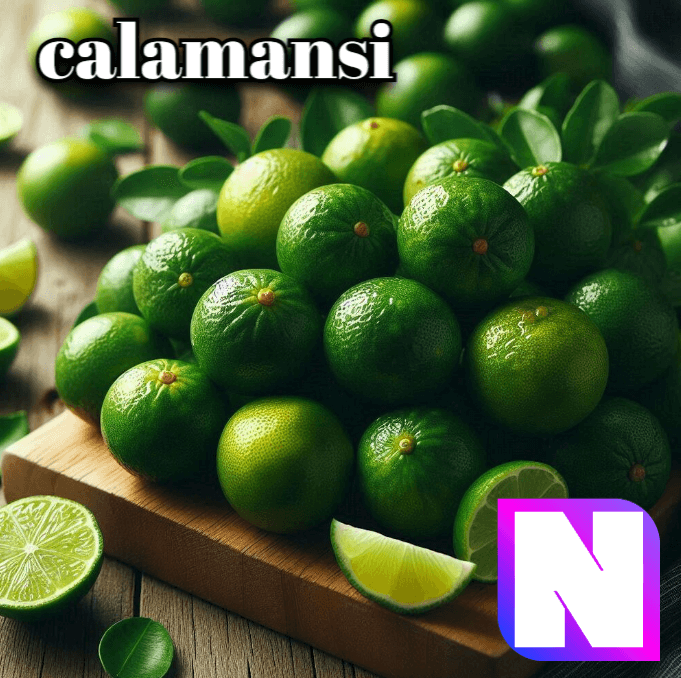
Visually, calamansi fruits are pretty striking:
- Small, round shape
- Smooth skin texture
- Color progression from green to dark yellow-orange as they ripen
This attractive appearance adds to their appeal in garnishes and presentations.
Culinary Applications
Traditional Filipino Uses
In my exploration of Filipino cuisine, I’ve discovered numerous traditional uses for calamansi:
- As a dipping sauce component (mixed with soy sauce or fish sauce)
- Juice for beverages (mixed with water and sugar)
- Flavoring for noodle dishes
- Enhancer for grilled seafood and vegetables
- The key ingredients in various Filipino dishes are:
- Pancit
- Sisig
- Sotanghon guisado
- Chicken or pork barbecue
- Inasal
- Kinilaw
- Inihaw na isda
- Bistik
- Sinigang
- Arroz caldo

Modern Culinary Innovations
As I’ve experimented with calamansi in my kitchen, I’ve found it to be incredibly versatile in modern cuisine:
- Baked goods (pies, cakes, cookies)
- Custards and ice creams
- Marinades for meats and seafood
- Salad dressings
- Cocktails (like calamansi margaritas)
The unique flavor of calamansi allows for creative culinary applications beyond traditional Filipino dishes.
Health and Nutritional Aspects
Vitamin C Content
- Immune system support
- Collagen production
- Potential blood pressure reduction
Antioxidant Properties
The antioxidants present in calamansi may offer several health benefits:
- Protection against cellular damage
- Potential anti-inflammatory effects
- Support for overall health and well-being
Traditional Medicinal Uses
In Filipino culture, I’ve learned that calamansi juice is often used as a home remedy for:
- Upset stomach
- Sore throat
- Cough relief when mixed with honey
While these traditional uses are interesting, it’s important to note that scientific research on calamansi’s medicinal properties still needs to be expanded.
Selecting and Storing Calamansi
Choosing Fresh Calamansi
When I’m at the market looking for fresh calamansi, I keep these tips in mind:
- Select fruits that are firm to the touch
- Look for smooth skin without blemishes
- Choose fruits that are beginning to turn from pale green to yellow (optimal ripeness)
- Avoid entirely orange fruits (overripe) or completely green fruits (underripe)
Storage Methods
To keep calamansi fresh, I’ve found these storage methods to be effective:
| Storage Method | Duration | Conditions |
| Counter | 1-2 days | Room temperature |
| Refrigerator | Up to 10 days | In a dry container |
| Freezer | Up to 4 weeks | In sealed plastic bags or vacuum-sealed |
For commercial calamansi juice, I always store it in the refrigerator and use it within a week of opening.
Calamansi in Global Cuisine
Influence on Southeast Asian Cooking
As I’ve explored the culinary landscape of Southeast Asia, I’ve noticed calamansi’s influence extending beyond the Philippines:
- Used in Malaysian and Indonesian dishes
- Incorporated into some Thai recipes
- Featured in fusion cuisines across the region
Growing Popularity in Western Cuisine
I’ve observed an increasing interest in calamansi among Western chefs and home cooks:
- Appearing in high-end restaurant menus
- Featured in cooking shows and food blogs
- Gaining popularity as a unique citrus option for cocktails
This growing global recognition speaks to the versatility and appealing flavor profile of calamansi.
Challenges and Opportunities in Calamansi Production
Agricultural Considerations
As I’ve researched calamansi cultivation, I’ve identified several challenges:
- Climate sensitivity
- Pest and disease management
- Limited growing regions outside of Southeast Asia
However, these challenges also present opportunities for agricultural innovation and expansion into new growing areas.
Market Expansion
The increasing global interest in calamansi opens up new market opportunities:
- Export potential for calamansi-producing countries
- Development of new calamansi-based products
- Expansion of calamansi cultivation in suitable climates worldwide
Conclusion
As I conclude this exploration of calamansi, I’m struck by its significance not only as a culinary ingredient but also as a cultural symbol of the Philippines. Its unique flavor profile, versatility in cooking, and potential health benefits make it a fascinating subject of study.
In closing, my journey into the world of calamansi has been both enlightening and inspiring. It’s a reminder of the endless discoveries waiting to be made in food and culture, and I look forward to seeing how this remarkable citrus fruit continues to make its mark on cuisines worldwide.