


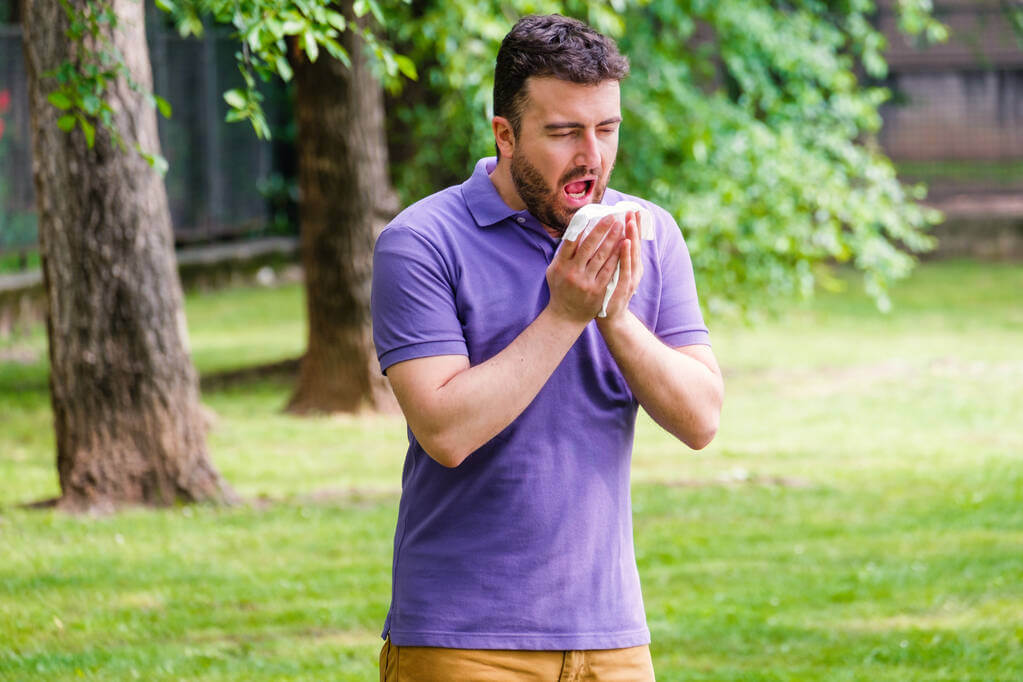
Spring is a season of renewal, but for many, it also signals the start of allergy season. Pollen, mold spores, and other allergens fill the air, causing discomfort for millions of people. While you can’t control the allergens outside, you can improve the air quality inside your home. One of the most effective ways to do so is by ensuring your HVAC system is in optimal condition. A well-maintained HVAC system can help alleviate allergy symptoms by improving indoor air quality and creating a more comfortable living environment.
How Your HVAC System Impacts Indoor Air Quality
Your HVAC system is responsible for regulating temperature and airflow in your home, but it also plays a crucial role in filtering and circulating the air you breathe. If your system is not well-maintained, it can exacerbate allergy symptoms by recirculating dust, pollen, and other airborne particles. Conversely, a properly serviced HVAC system can trap and filter allergens, preventing them from circulating in your indoor air.
When it comes to managing spring allergies, an HVAC system that is clean and efficient can make a noticeable difference. In fact, regular maintenance of your HVAC system, including air filter replacements and duct cleaning, can significantly reduce airborne allergens and improve overall indoor air quality.
If you live in a place, where pollen counts can be particularly high during allergy season, you may want to consider full HVAC unit repair services. These services can include everything from air filter replacement to duct cleaning. When your HVAC system is working efficiently, it helps keep allergens at bay, making your home a sanctuary from the outside world.
Key HVAC Maintenance Tasks for Allergy Relief
Several HVAC maintenance tasks can improve indoor air quality and reduce allergens in your home. Let’s explore the most important ones.
1. Air Filter Replacement
Air filters are designed to trap dust, pollen, and other particles, preventing them from circulating throughout your home. Over time, these filters can become clogged and less effective. Replacing your air filters regularly is one of the easiest and most effective ways to ensure that your HVAC system is working to improve indoor air quality. During allergy season, consider upgrading to a high-efficiency particulate air (HEPA) filter. These filters are designed to capture even smaller particles, such as pollen and pet dander, providing an extra layer of protection against allergens.
2. Duct Cleaning
Your ductwork is like the circulatory system of your HVAC system, carrying air throughout your home. Over time, dust, mold, and other allergens can accumulate in your ducts, and when the system runs, it can distribute those particles into the air you breathe. Professional duct cleaning can help remove this buildup, reducing the number of allergens circulating through your home. It’s especially important if you’ve recently moved into an older home or if your ducts haven’t been cleaned in a while.
3. Regular System Inspections
A timely inspection by a professional HVAC technician can catch potential problems before they worsen. An inspection might involve checking for leaks in the ductwork, ensuring proper airflow, and making sure all components are functioning correctly. Regular maintenance will keep your system running smoothly and help prevent it from spreading allergens.
4. Humidity Control
High humidity levels can encourage the growth of mold, which is a common allergen. Your HVAC system’s dehumidifier can help regulate indoor humidity levels and keep mold growth in check. Keeping humidity levels between 30% and 50% can create an environment that is less conducive to allergens like mold and dust mites.
How to Maximize the Benefits of Your HVAC System
To get the most out of your HVAC system during allergy season, consider these additional tips:
- Keep Windows Closed:
While it’s tempting to open your windows to let in the fresh spring air, doing so can let pollen and other allergens into your home. Keep your windows closed during high pollen days, and rely on your HVAC system to maintain a comfortable indoor temperature. - Use Air Purifiers:
In addition to your HVAC system, using air purifiers with HEPA filters in high-traffic areas of your home can help further reduce airborne allergens. - Schedule Regular Maintenance:
Set a reminder to schedule annual HVAC inspections and maintenance before allergy season begins. This proactive step can save you time, money, and discomfort in the long run.
When to Call in a Professional
If your HVAC system is not functioning as it should, it’s important to call a professional technician to inspect and repair it. A well-maintained system will not only improve air quality but also help extend the life of your HVAC unit, saving you money on expensive repairs or replacements down the road.
A qualified HVAC technician can perform tasks such as air filter replacement, duct cleaning, and system inspections to ensure everything is in top shape. If you’re experiencing persistent allergy symptoms, having a professional assess your system might be just what you need to make your home a more comfortable and healthier place to live.