


Trees are the silent sentinels of both natural and urban landscapes. They provide shade, improve air quality, and contribute to biodiversity, making them invaluable to ecosystems. Yet, these resilient plants face challenges, notably from strong winds. Windstorms can have devastating effects on trees, posing risks to public safety. Understanding these impacts is vital for maintaining tree health and mitigating hazards. This article explores how strong winds affect trees and the safety implications involved.
The Physics of Wind and Tree Interaction
Wind interactively affects trees in several ways, defined by factors such as speed, direction, and force. The pressure exerted by the wind depends on its speed and can vary significantly, causing different degrees of stress on tree structures. When the wind hits a tree, it exerts force on the trunk, branches, and leaves, leading to movement and strain. The tree’s overall shape and structural integrity determine how well it manages this pressure.
Tree resilience varies with species. For example, deciduous trees with dense foliage and flexible branches can withstand winds better than conifers with a conical shape and rigid branches. The root system plays a crucial role in stability, anchoring the tree and allowing it to sway without toppling. Trees with deep, expansive roots are naturally more secure during wind events.
Environmental factors like soil type and moisture levels also influence wind-tree interactions. Sandy or loose soils provide less support, increasing the risk of uprooting. Conversely, clay-rich soils may offer more support but can become waterlogged, weakening roots. When soil moisture alters due to heavy rains before or during storms, it enhances susceptibility to wind damage since the strained roots lose their grip.
Common Types of Wind-Induced Tree Damage
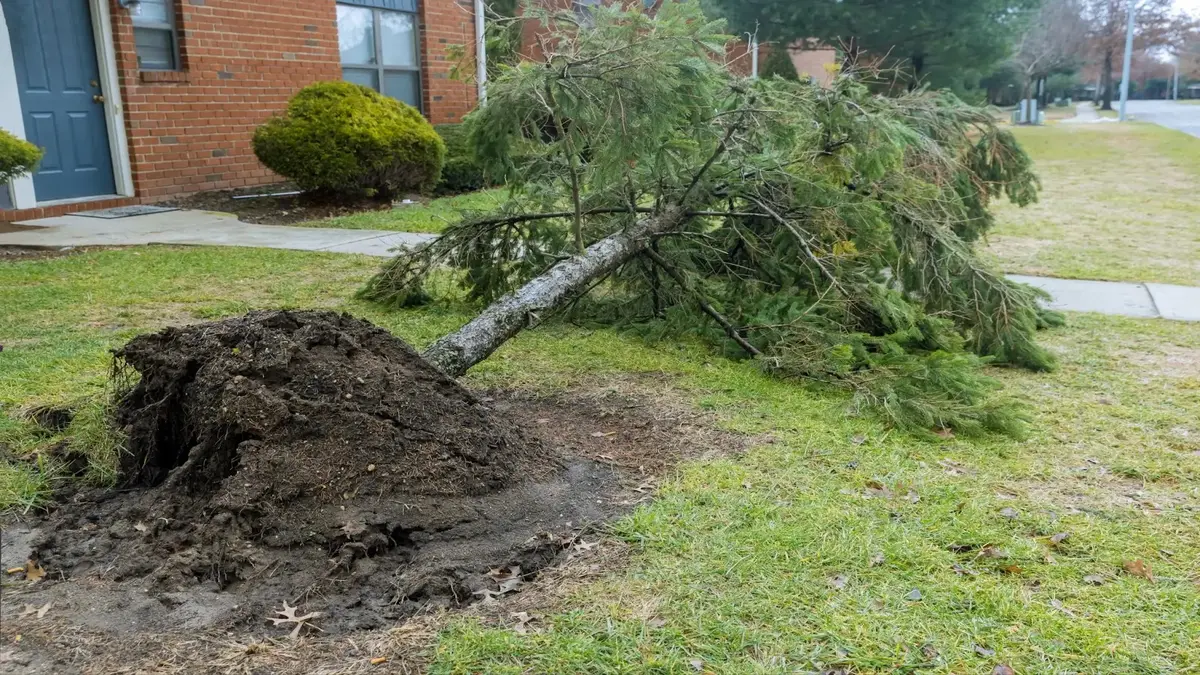
Strong winds manifest in tree damage forms, most commonly through broken branches and uprooting. Branch breakage often occurs at weak junctions where branches meet the trunk or at points burdened by excessive leaf mass. Uprooting is more severe, leading to complete tree failure when wind forces exceed the root system’s anchoring capacity.
The intensity of wind dramatically influences the damage extent. Mild winds may only prune deadwood or weak limbs, while severe gales can snap trunks or topple entire trees. Different species show distinct damage patterns; slender, flexible trees bend while rigid trees break. Over time, repeated exposure to strong winds weakens trees, reducing growth rates and increasing vulnerability to diseases and pests.
Assessing Tree Health and Safety Before and After Wind Events
Evaluating a tree’s health and stability before a storm is crucial for mitigating potential risks. Techniques include visual inspections for signs of decay, cavities, or weak branches. Professionals may use tools like resistograph machines to measure internal decay. After a storm, a thorough assessment is essential to determine the extent of damage and necessary interventions. Indicators of compromised health include mushroom growth around the base (a sign of root rot) and leaning trunks or split bark.
When trees pose a danger due to storm damage or instability, it’s important to seek safe tree removal services to prevent further hazards. Professional removal ensures that weakened or fallen trees are handled efficiently, reducing the risk of property damage or personal injury.
Homeowners and property managers can play a role by maintaining trees through regular inspections and seeking professional advice when needed. Collaboration with experts ensures trees receive the care required to remain safe and robust.
Mitigation Strategies to Enhance Tree Wind Resistance
Improving a tree’s resilience to wind begins with proper planting and maintenance. Selecting the right species for the local climate and soil conditions can significantly mitigate wind damage. Regular pruning helps maintain tree balance and structural integrity, and strategic pruning can direct growth away from hazards like power lines or structures.
Structural supports, such as cabling or bracing, can provide additional stability for venerable trees. In urban settings, landscaping choices, such as planting windbreaks, can alter wind patterns and reduce pressure on individual trees.
Effective community-wide planning also contributes to wind damage reduction. Municipalities can implement programs to actively manage urban forests, promote species diversity, and establish guidelines for tree care in public spaces. These efforts safeguard public areas and foster greener, healthier communities.
The Role of Arborists and Community Involvement in Tree Safety
Professional arborists are invaluable for conducting tree risk assessments and identifying potential hazards. Their expertise allows for accurate evaluations and recommendations, helping communities maintain safe environments.
Community programs and resources dedicated to tree health and safety educate the public about proper tree care practices. Awareness and education are powerful tools for preventing accidents and ensuring that the benefits trees provide aren’t overshadowed by risks.
Municipalities, homeowners, and organisations should collaborate to protect tree populations. Such partnerships ensure comprehensive care strategies and resource sharing, enhancing the health and safety of urban forests.
Conclusion
Strong winds pose significant challenges to tree health and safety, impacting ecosystems and urban environments alike. Awareness of these effects and proactive measures can significantly reduce risks associated with wind damage. Engaging with local tree care professionals, like consulting safe tree removal services when necessary, ensures informed decision-making and promotes the well-being of trees and the surrounding areas. By balancing ecological benefits with safety considerations, communities can thrive even in storm-prone areas, preserving the natural beauty and utility of their green spaces.